
Burke County Probate Records
Burke Probate Court is the local venue for estates, guardianship and conservatorship matters, and vital-record certificate requests. The Georgia DPH vital-record listing gives the Probate Court address as 200 6th Street, Room 208, Waynesboro, Georgia 30830, with phone 706-554-3000. The Burke County elected-officials page lists Ashley Moore as Probate Judge. Research also found that a county probate link pointed to a separate probate website that appeared parked, so the most reliable online paths are the DPH location listing and the Burke Permitium vital-record portal.
Probate records can include wills, estate administration filings, letters testamentary, letters of administration, inventories, returns, creditor notices, orders, guardianship papers, conservatorship papers, and transfer records. Marriage certificates and some vital-record certificate requests also pass through Probate Court, but those certificate requests are different from a court estate file. If a probate matter is appealed or transferred, the request may need to follow the file to Superior Court.
The Burke County Archives page identifies the county archive location for older local and genealogy records.
Current probate files start with Probate Court, while older family-history research may need the archives rather than the online certificate portal.
Burke Probate Terms Defined
Probate language can be dense, but the most common terms point to simple roles or case types. These terms appear in estate, guardianship, and conservatorship records and help identify what kind of file to request from Burke Probate Court.
- Testator
- The person who made a will.
- Executor
- The person named to carry out the will and manage the estate process.
- Intestate
- A death without a valid will, which can require a different estate administration path.
- Guardianship
- A court case about personal care or decision-making authority for another person.
- Conservatorship
- A court case about managing another person's money or property under court authority.
Search Burke County Probate Court
No broad public online probate case-search portal was confirmed for Burke estate and guardianship files in the research. The practical search path is to identify the record type first, then contact Probate Court, use the certificate portal for vital certificates, or use the archives for older historical materials. This avoids sending a current estate request to the wrong clerk or treating a certificate order as a full probate court-file search.
- Decide whether the request is an estate, will, guardianship, conservatorship, marriage certificate, or vital certificate.
- Contact Burke Probate Court at 200 6th Street, Room 208, Waynesboro, or call 706-554-3000 for current probate and certificate questions.
- Use Burke Probate Permitium for available certified vital-record orders.
- Ask Burke County Archives about older family, church, county, or genealogy records that may not be in a modern court portal.
- If a probate matter was appealed or transferred, follow the file to Superior Court and the Clerk of Superior, State and Juvenile Court.
Note: Birth and death certificate access is restricted to qualifying persons, even when Probate Court handles the local certificate request.
Burke County Probate Court Contact
Burke County has one Probate Court contact identified in the official DPH listing. The office is separate from the Clerk of Superior, State and Juvenile Court. Estate, guardianship, conservatorship, and local Probate Court certificate questions should start with Probate Court unless the file has moved to Superior Court by appeal or transfer.
Burke County Probate Court
200 6th Street, Room 208
Waynesboro, GA 30830
706-554-3000
Judge Ashley Moore
Burke County Archives
403 Old Herndon Road
Waynesboro, GA 30830
Friday 9:00 AM to 5:00 PM; Saturday 9:00 AM to noon
Monday through Thursday by appointment
Burke Probate Filing Fees
The research did not locate a full Burke Probate Court estate filing fee sheet. The Burke court cost schedule did provide several probate-adjacent and copy fees that matter when a probate file is transferred, appealed, or copied. Do not treat these as a complete estate filing list. For a new estate, guardianship, or conservatorship filing, confirm the current fee directly with Probate Court before filing.
| Item | Amount |
|---|---|
| Probate Court civil transfer to Superior Court | $175 |
| Appeal to Superior Court | Same as Superior Court filing fee |
| Certified or exemplified court copy | $2.50 first page, then $0.50 each page after first |
| Uncertified copy without assistance | $0.50 per page |
| Uncertified copy with assistance required | $1 per page |
What Burke Probate Records Show
A Burke County estate file may show the petition, the will if one exists, oath, bond if required, letters, inventory or returns, creditor notices, orders, and final discharge. Guardianship and conservatorship files may show petitions, service or notice, medical or capacity-related evidence, appointment orders, reports, accountings, and later orders. Some of those materials may be public, while others may be limited because they involve minors, protected adults, medical facts, or financial details.
| Probate Record Type | What It May Include |
|---|---|
| Will or estate file | Will, petition, oath, letters, inventory, creditor notice, orders, and discharge. |
| Letters testamentary | Proof that an executor has authority to act for the estate. |
| Letters of administration | Authority for estate administration when no executor is acting under a will. |
| Guardianship file | Petitions, notices, appointment orders, reports, and personal-care related records. |
| Conservatorship file | Financial authority orders, accountings, reports, and related filings. |
| Probate transfer record | Documents showing that a probate matter moved to Superior Court. |
Older Burke Probate Research
Historical probate and genealogy work can require sources outside the current Probate Court counter. The county archives are housed at 403 Old Herndon Road and list limited public hours plus appointment availability. That makes the archives a useful source when the question is about older local records, family lines, church records, or county history rather than a current estate filing.
The official Burke County municipalities page helps place local family-history research in the correct community context.
Community names can matter in older probate and genealogy files because records may refer to city, district, church, or local place names.
The U.S. Census QuickFacts profile for Burke County provides county population context used for broader local research.
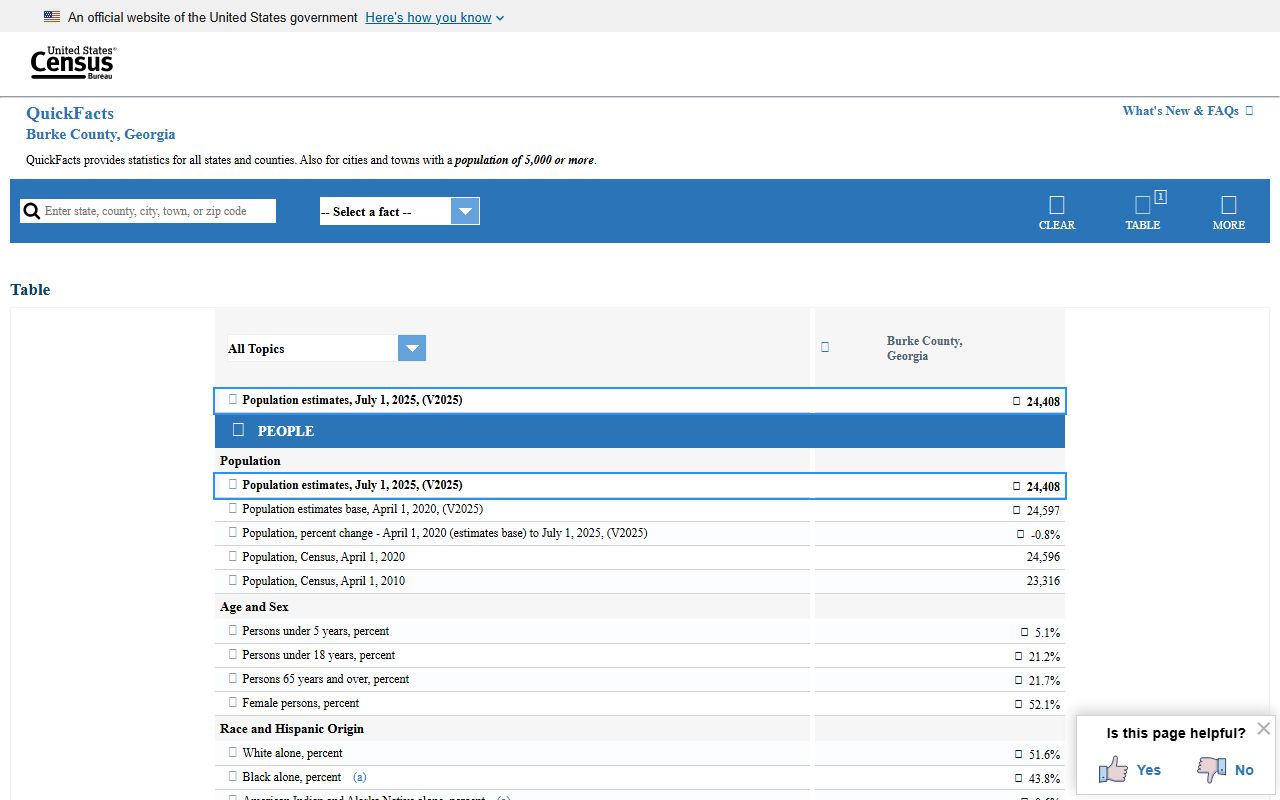
Census context does not prove an estate fact, but it can support broader family-history work when paired with official probate or archive records.
Burke Probate and County History
Burke County has a long record history that can affect older estate research. The New Georgia Encyclopedia reports that the historic courthouse was built in 1857 and expanded in 1899, and it describes the building as one of Georgia's oldest brick buildings still in use while noting that a newer facility serves as the current courthouse. The Digital Library of Georgia marker notes that Burke County was created by the Constitution of February 5, 1777, from the Creek Cession of 1733, after earlier organization as St. George Parish.
The New Georgia Encyclopedia Burke County article gives historical background that helps explain why old probate, land, court, and genealogy records may be split between modern offices and archive sources.
Historical context is most useful when a modern Probate Court search does not reach the date range or type of record being researched.
Restricted Burke Probate Records
Not all Probate Court material is open in full. Estate filings may be public in many ordinary matters, but guardianship and conservatorship records can include personal, medical, financial, minor, or capacity-related details. Vital certificates also have access limits, especially birth and death records, which are restricted to qualifying persons even when ordered through the local Probate Court certificate channel.
Georgia open-records principles do not override court orders, sealing rules, or laws that make certain records confidential. When a requested probate file contains both public and protected information, the court may provide a redacted copy, limit access to specific parties, or require a court order. If a file has been transferred or appealed, the Probate Court can point the requester toward the Superior Court record path.
Important: Confirm current filing fees and access limits with Burke Probate Court before relying on a copy of an old schedule or an online summary.
Public Record Search
Sponsored Results